FBR Considers Major Shift to Fiscal-Year Performance Metrics for Tax Collection
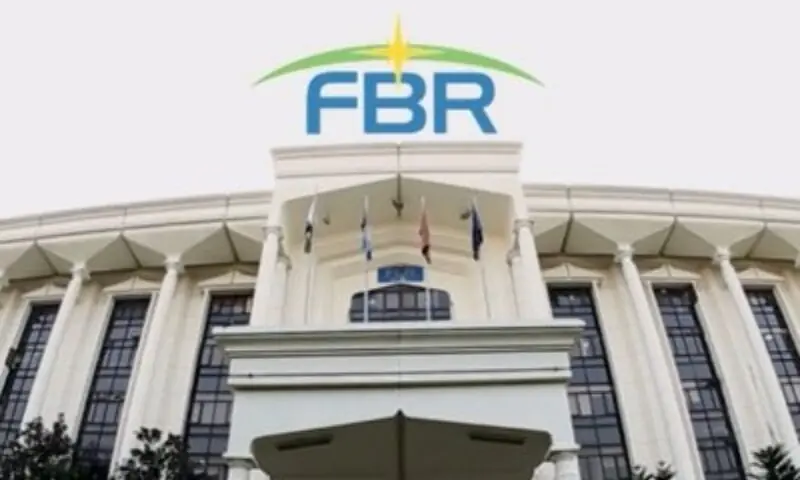
ISLAMABAD: The Federal Board of Revenue (FBR) is reportedly considering a pivotal shift in its operational strategy, moving towards a fiscal-year-based performance evaluation system for its field formations. This proposed change would replace the long-standing practice of setting monthly tax collection targets, signaling a significant departure from previous administrative norms.
Sources familiar with the development indicate that the primary objective behind this reorientation is to mitigate the intense pressure on field formations to meet short-term revenue goals. By shifting the focus to annual collection outcomes, the FBR aims to encourage a more strategic and sustainable approach to tax enforcement and revenue generation throughout the fiscal year.
This proposal is not an isolated measure but forms an integral part of a broader restructuring initiative within the country's tax administration. The FBR has been undergoing a comprehensive overhaul, seeking to modernize its operations and enhance efficiency in tax collection, which is crucial for national economic stability.
The impetus for these reforms stems from sweeping changes introduced through the Finance Act 2026-27. This legislative framework laid the groundwork for a transformative agenda within the FBR, aiming to streamline processes, improve compliance, and update the overall tax enforcement mechanism to align with contemporary economic realities and best practices.
A key aspect of the broader reforms, of which this performance metric change is a part, involves transforming tax enforcement by reducing human interaction. This implies a move towards more automated, technology-driven processes, which could potentially minimize discretion and enhance transparency in tax assessments and collections, thereby fostering greater trust among taxpayers.
The implications of adopting a fiscal-year-based evaluation system could be far-reaching. It is anticipated to allow field formations more flexibility in managing their collection efforts, potentially leading to more stable and predictable revenue streams. This shift could also reduce instances of aggressive tax collection practices often associated with the pressure to meet immediate monthly targets, fostering a more taxpayer-friendly environment.
However, the successful implementation of such a system would require robust oversight mechanisms and clear annual targets, along with transparent reporting. The FBR would need to establish new benchmarks and key performance indicators that accurately reflect annual progress and ensure accountability without reverting to the pitfalls of short-term pressure.
As the proposal is currently under discussion, further deliberations are expected to refine the details of the new performance evaluation framework. This initiative underscores the FBR's ongoing commitment to modernizing its tax administration, aiming to build a more efficient, equitable, and effective revenue collection system that supports Pakistan's economic growth and development objectives.
This article was written with AI assistance from a news lead and may not capture every detail. Please verify specifics with the original source:
Dawn →