Gold and Silver Maintain Stability Amidst Geopolitical Tensions
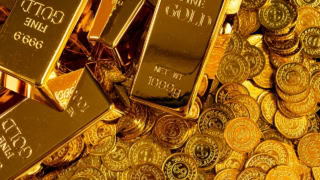
The Pakistani precious metals market, mirroring global trends, has experienced a period of remarkable stability for the current day, following what was described as high volatility. This newfound steadiness in gold and silver prices comes at a time when international geopolitical developments, particularly concerning the United States and Iran, continue to exert considerable influence on global financial markets and investor sentiment.
The preceding volatility in the precious metals sector was largely attributed to the ongoing complexities surrounding US-Iran negotiations. These talks, which had previously offered a glimmer of hope for de-escalation, have reportedly reached a stalemate. The core issue contributing to this deadlock is a demand from the former US President for historical conflict compensation from Tehran. This specific demand appears to have effectively frozen any progress in the peace talks, leading to a significant shift in market dynamics.
Impact of Stalled Negotiations
The immediate consequence of these stalled negotiations has been the crushing of any immediate prospects for the reopening of the Strait of Hormuz. This vital waterway, a critical choke point for global oil shipments, plays an indispensable role in international trade and energy supply chains. Its potential closure or continued uncertainty surrounding its status has far-reaching implications for global economies.
The inability to reach a resolution regarding the Strait of Hormuz has directly contributed to a significant increase in global oil prices. When the flow of oil through such a crucial passage is threatened or uncertain, the supply side of the market reacts sharply, driving up prices. This spike in oil prices is not merely an energy concern; it acts as a powerful catalyst for broader economic anxieties, particularly regarding inflation.
The deadlock in US-Iran talks, particularly over demands for historical compensation, has not only stalled peace efforts but also ignited global inflation fears by impacting oil prices and the Strait of Hormuz.
Investor Response and Inflation Fears
In response to these burgeoning inflation fears, investors globally, including those in Pakistan, have demonstrated a clear preference for safe-haven assets. Gold and silver, historically regarded as hedges against inflation and economic uncertainty, have seen aggressive buying. This increased demand for precious metals is a direct reflection of the market's apprehension about the potential erosion of purchasing power due to rising prices across various sectors.
The pattern of investors flocking to gold and silver during times of geopolitical instability and economic uncertainty is a well-established phenomenon. These metals are perceived as tangible stores of value that tend to retain their worth, or even appreciate, when traditional financial assets like stocks and bonds face downward pressure. The current scenario, with its confluence of geopolitical tensions and inflationary pressures, perfectly illustrates this dynamic.

Looking Ahead: Market Outlook
While the current day has brought a welcome period of stability to gold and silver prices, the underlying factors driving the previous volatility remain largely unresolved. The US-Iran negotiations are still at an impasse, and the implications for global oil supply and inflation continue to loom large. This suggests that while momentary calm may prevail, the potential for renewed volatility in the precious metals market remains significant.
- Stalled US-Iran negotiations are the primary driver of market uncertainty.
- Demand for historical conflict compensation from Tehran is a key sticking point.
- The deadlock impacts the potential reopening of the Strait of Hormuz.
- Spiking global oil prices fuel fresh inflation concerns.
- Investors are aggressively buying gold and silver as a hedge against inflation.
Market participants in Pakistan and beyond will be closely monitoring developments on the international geopolitical front. Any indications of progress or further deterioration in the US-Iran relationship, particularly concerning the Strait of Hormuz, will likely trigger immediate reactions in the precious metals market. For now, the stability observed today offers a brief respite, but the broader economic landscape remains fraught with potential for sudden shifts.
This article was written with AI assistance from a news lead and may not capture every detail. Please verify specifics with the original source:
TechJuice →More in Business
- PPL Plans Artificial Island to Bolster Pakistan's Oil Exploration Endeavours 2026-09-28
- Sazgar Engineering to Launch Premium ARCFOX Electric Vehicles in Pakistan 2026-09-26
- Dubai Airport Welcomes 3.2 Million Pakistani Passengers in Early 2025 2026-09-20
- Foxconn Projects Strong Q3 Performance Driven by Robust AI Demand 2026-09-07