Nationwide Transporters' Strike Imperils Industrial Output and Export Commitments
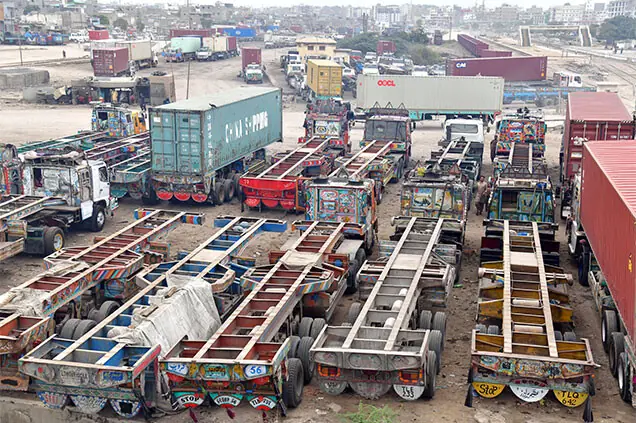
A significant disruption to Pakistan's economic activities has emerged following a nationwide strike initiated by goods and oil transporters. The protest, which commenced on Saturday, has seen a complete suspension of cargo movement, particularly affecting the critical supply lines to and from Karachi's bustling ports. The transporters have firmly stated their intention to continue the strike until their demands are addressed through discussions with the government, scheduled for Monday.
Manufacturers and industry stakeholders have voiced grave concerns over the potential repercussions of this prolonged disruption. They warn that an extended halt in logistics could lead to a complete cessation of production activities, subsequently imperiling the country's ability to meet its international export commitments. The current situation underscores the fragility of supply chains and the profound impact that disruptions in the transportation sector can have on the broader economy.
Impact on Cargo Movement and Supply Chains
The heart of the issue lies in the complete paralysis of goods-carrying vehicles. Reports from Karachi indicate that numerous goods carriers remain parked, particularly in areas like Mauripur, effectively cutting off the flow of essential commodities and manufactured goods. This suspension is not limited to Karachi alone but extends across the country, creating a ripple effect that is beginning to be felt by various sectors.
The scale of the disruption is considerable, with the movement of over 400,000 goods-carrying vehicles reportedly suspended. This vast number highlights the extensive reach of the strike and its potential to cripple the nation's logistical backbone. The immediate consequence is a blockage in the supply of raw materials to factories and the inability to transport finished products to local markets or ports for export. This creates a bottleneck that can quickly escalate into a full-blown crisis for industries reliant on timely transportation.
The suspension of over 400,000 goods-carrying vehicles presents a critical challenge to Pakistan's industrial output and export capabilities, with potential long-term economic ramifications.
Threat to Industry and Exports
The manufacturing sector, a cornerstone of Pakistan's economy, is particularly vulnerable to this strike. Factories depend on a steady influx of raw materials and components to maintain production schedules. A disruption in this supply chain can lead to production slowdowns, idle machinery, and ultimately, a complete halt in operations. This not only results in financial losses for businesses but also impacts the livelihoods of thousands of workers employed in these industries.
Furthermore, the strike poses a significant threat to Pakistan's export sector. The country relies heavily on its ports, especially those in Karachi, to ship goods to international markets. With cargo movement to and from these ports severely hampered, exporters face the daunting challenge of fulfilling their commitments. Delays in shipments can lead to penalties, loss of contracts, and damage to the country's reputation as a reliable trading partner. This could have long-term consequences for Pakistan's balance of trade and foreign exchange earnings.

Awaiting Government-Transporter Dialogue
The resolution of this impasse hinges on the upcoming talks between the transporters and the government, scheduled for Monday. The transporters have made it clear that they will not call off their protest until these discussions yield a satisfactory outcome. The specifics of their demands have not been widely detailed in the immediate reports, but such strikes often stem from issues related to fuel prices, taxation, road conditions, or regulatory policies.
- Movement of over 400,000 goods-carrying vehicles suspended.
- Cargo disruption impacts Karachi's ports significantly.
- Manufacturers warn of production halts and jeopardised export commitments.
- Transporters refuse to end strike before talks with government on Monday.
The government faces the urgent task of engaging with the transporters to understand their grievances and find a mutually acceptable solution. A swift resolution is crucial to prevent further economic damage and to restore the smooth functioning of the nation's supply chains. The outcome of these talks will be closely watched by industries, businesses, and the general public, as it will determine the immediate future of cargo movement and its cascading effects on the Pakistani economy.
This article was written with AI assistance from a news lead and may not capture every detail. Please verify specifics with the original source:
Dawn →More in Business
- PPL Plans Artificial Island to Bolster Pakistan's Oil Exploration Endeavours 2026-09-28
- Sazgar Engineering to Launch Premium ARCFOX Electric Vehicles in Pakistan 2026-09-26
- Dubai Airport Welcomes 3.2 Million Pakistani Passengers in Early 2025 2026-09-20
- Foxconn Projects Strong Q3 Performance Driven by Robust AI Demand 2026-09-07