Nepra Member Raises Concerns Over Rs. 332 Billion National Grid Revenue Approval

The National Electric Power Regulatory Authority (Nepra), the principal regulatory body overseeing Pakistan's power sector, is currently grappling with internal dissent following the approval of a substantial Rs. 332 billion revenue for the national grid. A member of the authority has formally challenged the accounting methodology utilised in reaching this significant financial decision, raising questions about transparency and the accuracy of the figures presented.
This development underscores the intricate nature of power sector regulation in Pakistan, where decisions regarding revenue approvals directly impact electricity tariffs and, consequently, millions of consumers nationwide. The dissenting opinion highlights potential discrepancies or alternative interpretations in the financial calculations that underpin such crucial regulatory approvals.
Context of Nepra's Mandate
Nepra's primary role is to regulate the generation, transmission, and distribution of electricity in Pakistan. This includes determining tariffs, issuing licenses, and ensuring the efficiency and reliability of the power system. The authority is mandated to protect consumer interests while also ensuring the financial viability of power sector entities. Decisions on revenue requirements for entities like the national grid are central to this mandate, as they form the basis for calculating the final electricity prices paid by end-users.
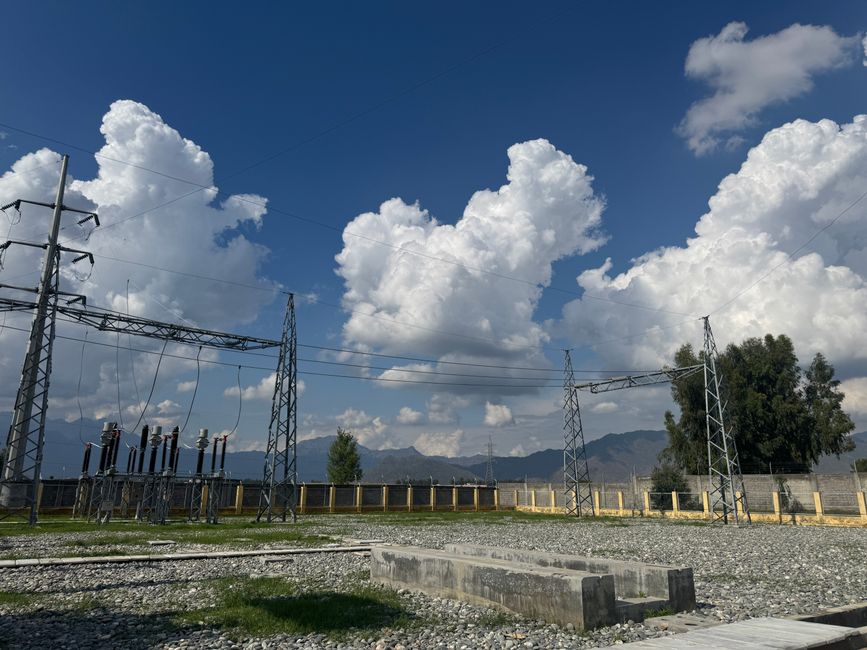
The national grid, a critical component of the power infrastructure, is responsible for transmitting electricity from generation sources to distribution companies across the country. Its operational and maintenance costs, along with investment requirements, are recovered through the approved revenue. Therefore, the accuracy and justification of this revenue are paramount to both the financial health of the grid operator and the affordability of electricity for consumers.
Concerns Over Accounting Methodology
The core of the dispute lies in the 'accounting methodology' employed during the approval process. While the specific details of the challenged methodology are not publicly detailed, such concerns typically revolve around several key areas:
- The treatment of assets and depreciation.
- The calculation of operational and maintenance expenses.
- The inclusion or exclusion of certain costs.
- The methodology for forecasting future revenue requirements.
- Adherence to established accounting standards and regulatory precedents.
A dissenting voice within a regulatory body like Nepra is a significant event. It suggests that there may be fundamental disagreements on how financial data is interpreted and applied, potentially impacting the fairness and transparency of the regulatory process. Such internal challenges are often aimed at ensuring greater scrutiny and accountability in public sector decision-making.
The challenge to the Rs. 332 billion national grid revenue approval underscores the critical need for robust and transparent accounting practices within Pakistan's power sector regulatory framework.
Implications for the Power Sector
The ramifications of this dissent could be far-reaching. If the accounting methodology is indeed found to be flawed, it could necessitate a review of the approved revenue, potentially leading to adjustments in future tariffs. This would have direct implications for electricity consumers, who are already grappling with rising energy costs.
Furthermore, such internal disagreements can impact investor confidence in the power sector. A consistent and transparent regulatory environment is crucial for attracting both local and foreign investment, which is vital for the sector's expansion and modernisation. Any perception of ambiguity or inconsistency in regulatory approvals can deter potential investors.
The incident also highlights the importance of institutional checks and balances within regulatory bodies. Dissenting opinions, when properly articulated and addressed, can strengthen the decision-making process by forcing a re-evaluation of assumptions and methodologies. It reinforces the idea that regulatory decisions should not be taken lightly and must withstand rigorous scrutiny.
Moving forward, it will be crucial to observe how Nepra addresses the concerns raised by its member. A thorough and transparent review of the accounting methodology, potentially involving independent experts, could help restore confidence in the regulatory process and ensure that future revenue approvals are based on sound and equitable financial principles. The outcome of this challenge will undoubtedly set a precedent for future regulatory decisions within Pakistan's vital power sector.
This article was written with AI assistance from a news lead and may not capture every detail. Please verify specifics with the original source:
ProPakistani →More in General
- Security Forces Eliminate Four Terrorists in Khyber Pakhtunkhwa Operations 2026-10-01
- Russia Offers Mediation in Pakistan's Regional Disputes 2026-09-30
- Security Forces Eliminate 23 Indian Proxy Terrorists in Kurram Operation 2026-09-21
- CM Afridi Clarifies By-Poll Remarks Following ECP Deployment Request 2026-09-19