RLNG Price Hikes 15% for June Amid Global Supply Volatility
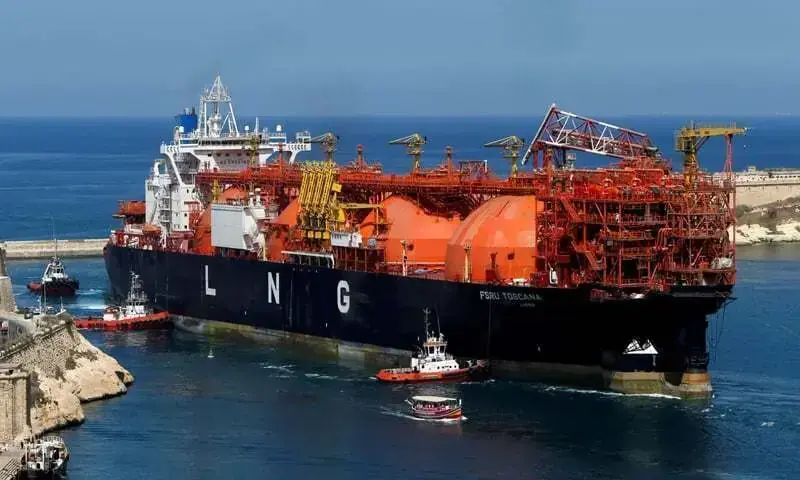
ISLAMABAD – The Oil and Gas Regulatory Authority (Ogra) has officially notified an approximate 15% surge in the price of Regasified Liquefied Natural Gas (RLNG) for the current month of June. This upward revision primarily affects sales at the distribution stage by the nation's two major Sui gas utility companies. The decision comes amidst a complex global energy landscape, characterized by heightened demand and geopolitical tensions, which have collectively contributed to a volatile international spot market.
The latest price notification reflects a substantial increase, placing the RLNG price for June considerably higher than in preceding months. This adjustment is largely attributed to the necessity of acquiring RLNG from the international spot market on short notice. Such procurement strategies are often employed when long-term contracts or planned supplies face unforeseen disruptions, compelling utilities to secure immediate alternatives at prevailing market rates.
Impact of Global Geopolitics on Energy Costs
A primary driver behind the recent price escalation is the ongoing geopolitical instability, specifically citing supply disruptions stemming from the US-Iran war. Such conflicts in key energy-producing regions invariably ripple through global commodity markets, leading to price volatility and uncertainty. Pakistan, being a net importer of energy, is particularly susceptible to these international fluctuations, as a significant portion of its energy requirements, including RLNG, is met through imports.
The reliance on the international spot market, especially under urgent circumstances, often entails paying premium rates. This is a direct consequence of the immediate demand meeting a potentially constrained supply, further exacerbated by the perceived risks associated with global geopolitical events. The cost of securing these emergency supplies is then, by necessity, passed on to the end consumers through regulated price adjustments.
The necessity of acquiring RLNG from the international spot market at short notice, primarily due to global supply disruptions, has been a key factor in the recent price increase.
Comparative Price Analysis and Consumer Burden
A comparative analysis of the RLNG prices highlights the sharp upward trend observed over recent months. The current June price is not only 15% higher than in May but also marks a significant increase of almost 56% compared to March and a staggering 73% higher than in February. This consistent upward trajectory underscores the persistent challenges in managing energy costs amidst a dynamic global environment.
- June price: Approximately 15% higher than May.
- June price: Almost 56% higher than March.
- June price: Approximately 73% higher than February.
Such substantial increases in RLNG prices have direct and far-reaching implications for various sectors of the economy. One of the most immediate and significant impacts is on the power generation sector, where RLNG serves as a crucial fuel source. A rise in RLNG costs directly translates into a substantial increase in fuel costs for power generation companies, which ultimately affects the cost of electricity for industrial, commercial, and domestic consumers.

Broader Economic Repercussions
The ripple effect of elevated RLNG prices extends beyond electricity bills. Industries that rely heavily on natural gas as a feedstock or for operational processes will face higher input costs. This can potentially lead to increased production costs for goods and services, contributing to inflationary pressures across the economy. Small and medium-sized enterprises (SMEs), which often operate on tighter margins, may find it particularly challenging to absorb these additional expenses.
For domestic consumers, while direct RLNG consumption might be limited to certain areas or specific applications, the indirect impact through higher electricity tariffs and increased prices of essential goods will be felt. The government and regulatory bodies face the delicate task of balancing energy security with affordability, especially for vulnerable segments of the population. Efforts to diversify energy sources, enhance energy efficiency, and secure long-term, stable supply contracts are crucial to mitigate the impact of such international price shocks in the future.
The current situation underscores the critical need for a robust and resilient energy strategy that can withstand the volatilities of the global market. As Pakistan continues its development trajectory, ensuring a stable and affordable energy supply remains a paramount challenge, requiring proactive measures and strategic foresight.
This article was written with AI assistance from a news lead and may not capture every detail. Please verify specifics with the original source:
Dawn →