Security Forces Neutralise 30 Terrorists in Extensive KP Operations
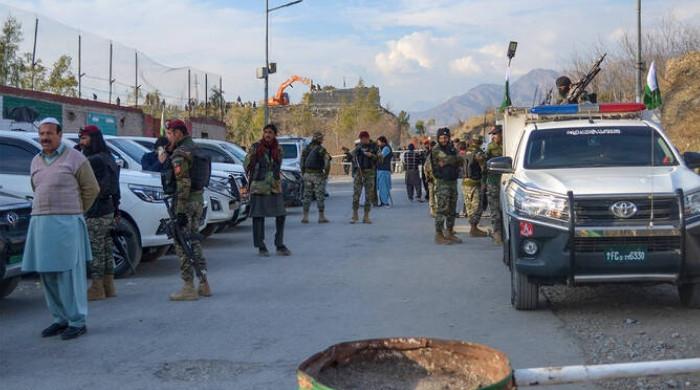
In a significant development for national security, Pakistani security forces have reportedly gunned down 30 terrorists in multiple intelligence-based operations (IBOs) carried out across the province of Khyber Pakhtunkhwa (KP). The Inter-Services Public Relations (ISPR), the military's media wing, confirmed the successful conclusion of these operations, highlighting the continued efforts to root out militancy from the region.
The operations were specifically aimed at elements described as 'Indian proxy Fitna al-Khawarij' terrorists, indicating a broader context of external influence and a particular ideological leaning attributed to the militant groups targeted. This designation underscores the complex nature of the security challenges faced by Pakistan, often involving both internal and external dimensions.
Scope and Nature of the Operations
The IBOs, by their very nature, are precision-driven and rely heavily on actionable intelligence to minimise collateral damage and maximise effectiveness. While specific locations within Khyber Pakhtunkhwa were not detailed in the initial announcement, the mention of 'multiple' operations suggests a coordinated and widespread effort across various districts known to be vulnerable to militant activities. These operations are a testament to the ongoing commitment of Pakistan's security apparatus to maintain peace and stability in the tribal and border regions.
The involvement of both Frontier Constabulary and army personnel, as observed in areas like Kurram, indicates a multi-pronged approach involving different branches of the security forces. This collaborative strategy is crucial in tackling the diverse threats posed by various militant factions operating in the rugged terrain of KP. The continuous presence and vigilance of security forces, as depicted by personnel standing guard, are vital for deterring future incursions and maintaining law and order.
The successful neutralisation of 30 terrorists in Khyber Pakhtunkhwa underscores the ongoing vigilance and proactive measures by Pakistan's security forces against militant threats, particularly those with alleged external links.
Context of Militancy in Khyber Pakhtunkhwa
Khyber Pakhtunkhwa, particularly its merged districts, has historically been a theatre of conflict against various militant groups. The region's strategic location, bordering Afghanistan, has often made it susceptible to cross-border movements of militants and the establishment of hideouts. The term 'Fitna al-Khawarij' used by the ISPR often refers to groups perceived as deviating from mainstream Islamic teachings and engaging in extremist violence, thereby justifying strong action against them.
The reference to 'Indian proxy' elements further complicates the security narrative, implying that some militant activities are not merely indigenous but are allegedly supported or instigated by external adversaries. This perspective is frequently articulated by Pakistani military and government officials when discussing the broader regional security landscape. The operations, therefore, are not just about eliminating militants but also about countering perceived foreign interference aimed at destabilising Pakistan.
- Intelligence-based operations are crucial for targeted counter-terrorism efforts.
- The operations involved coordinated efforts by various security force branches.
- Khyber Pakhtunkhwa remains a key focus for anti-militancy campaigns.
- The designation 'Indian proxy Fitna al-Khawarij' highlights perceived external links.
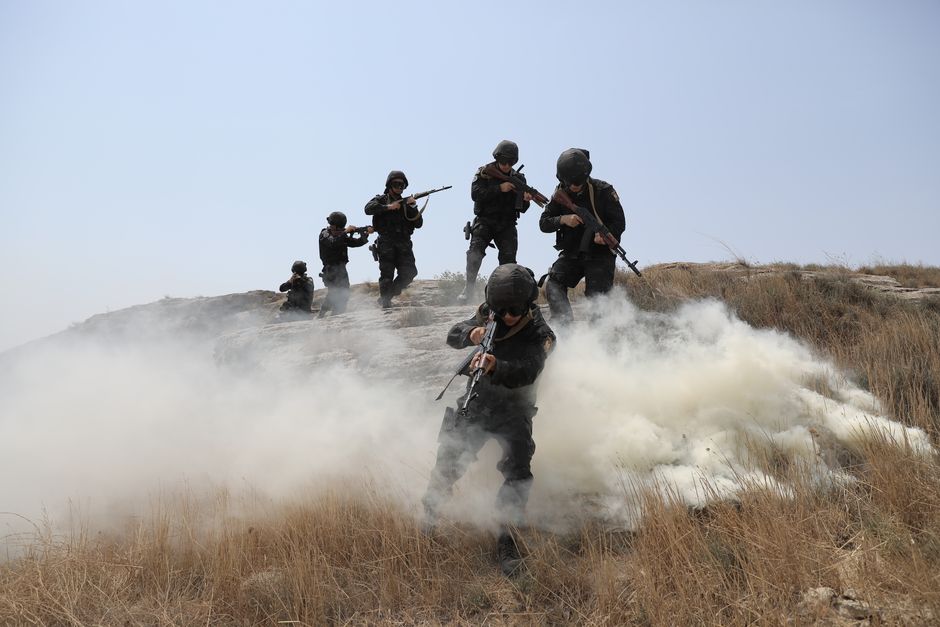
Implications for Regional Security
These successful operations are expected to have a positive impact on the overall security situation in Khyber Pakhtunkhwa and potentially the wider region. By dismantling militant networks and eliminating key operatives, the security forces aim to disrupt future attacks and restore a greater sense of normalcy for the local populace. The ongoing commitment to such operations reflects Pakistan's resolve to eradicate terrorism in all its forms and manifestations.
However, the challenge remains persistent, requiring continuous vigilance, intelligence gathering, and proactive measures. The security forces' ability to conduct multiple IBOs effectively demonstrates their enhanced capabilities and strategic planning. The focus on intelligence-led operations is a critical component of Pakistan's counter-terrorism strategy, allowing for precise targeting and minimising broader conflict. The nation remains steadfast in its efforts to secure its borders and ensure the safety of its citizens from all threats, both internal and external.
This article was written with AI assistance from a news lead and may not capture every detail. Please verify specifics with the original source:
The News →More in General
- Pakistan Railways Expands Services with Restoration of Two Additional Train Routes 2026-08-23
- US Lawmakers Commend Punjab's Brick-Kiln Modernisation Efforts 2026-08-21
- 27th Amendment Bolsters Federal Constitutional Court's Jurisdiction 2026-08-12
- Tarbela Dam Fills to Capacity, Boosting Pakistan's Water Security 2026-08-10