Tarbela-5 Cofferdam Collapse: Inquiry Committee Holds All Stakeholders Accountable
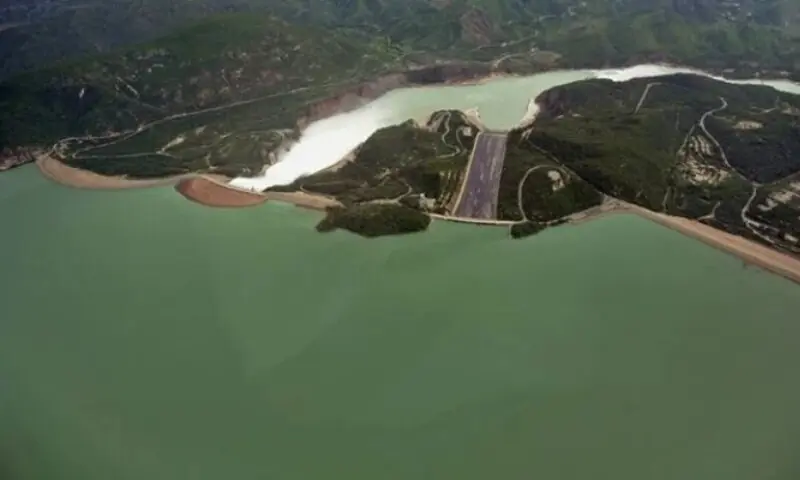
An official inquiry committee, established by the government, has concluded its investigation into the collapse of the cofferdam at the 1,530MW Tarbela-5 Extension Hydropower Project. The findings pinpoint collective responsibility among all three primary stakeholders involved in the mega-project: the contractor, the consultant, and the Water and Power Development Authority (WAPDA), which serves as the employer. The committee's report highlights that unauthorised design changes implemented after the contract was awarded were a significant contributing factor to the structural failure.
This incident has had severe repercussions for the critical national infrastructure project. Initial assessments indicate a substantial delay of at least two years in its completion. Furthermore, the financial implications are staggering, with the project's cost escalating by more than 285 per cent. The original estimated cost of Rs82 billion has now surged to an alarming Rs317 billion, placing a considerable burden on public resources and potentially impacting future energy tariffs.
Root Causes and Shared Responsibility
The inquiry committee's determination of shared blame underscores systemic issues within the project's execution and oversight. The contractor, responsible for the physical construction, is held accountable for any deviations from approved plans and for ensuring the structural integrity of the works. The consultant, tasked with providing expert advice, design validation, and supervision, is implicated for failing to prevent or identify critical design flaws and unauthorised modifications. WAPDA, as the project's employer and ultimate custodian, bears responsibility for overall project management, contract enforcement, and ensuring compliance with all technical and safety standards.
The specific mention of 'post-contract unauthorised design changes' as a main reason for the collapse is particularly concerning. Such alterations, if not properly vetted, approved, and integrated into the project's design framework, can severely compromise the safety and stability of large-scale civil engineering structures like cofferdams. This suggests a breakdown in communication, approval processes, and quality control mechanisms among the involved parties.
The collapse of the Tarbela-5 cofferdam was a direct consequence of collective failures, with unauthorised design changes post-contract being a primary catalyst for the incident.
Impact on Project Timeline and Costs
The immediate consequence of the cofferdam collapse is the significant delay in the project's commissioning. A two-year setback for a project of this magnitude translates into substantial economic losses, including foregone electricity generation and increased administrative overheads. Such delays also affect the nation's energy security strategy, as the 1,530MW capacity from Tarbela-5 is crucial for meeting Pakistan's growing power demands and reducing reliance on more expensive thermal sources.
Financially, the situation is even more dire. The project's cost escalation from Rs82 billion to Rs317 billion represents an increase of Rs235 billion. This monumental increase will inevitably impact the eventual cost of electricity generated by the project. The inquiry committee's report estimates that the levelised generation cost over 30 years could rise to approximately Rs27-28 per unit. This figure is significantly higher than initial projections and will likely be passed on to consumers, potentially contributing to higher electricity tariffs across the country.
- Project Delay: At least two years.
- Cost Escalation: Over 285 per cent.
- Original Cost: Rs82 billion.
- Revised Cost: Rs317 billion.
- Estimated Levelised Generation Cost: Rs27-28 per unit over 30 years.
Broader Implications for Infrastructure Projects
This incident at Tarbela-5 serves as a critical case study for future large-scale infrastructure projects in Pakistan. It underscores the paramount importance of stringent oversight, adherence to contractual obligations, and robust quality control mechanisms at every stage of project development. The findings highlight the need for clear lines of accountability among all stakeholders and the imperative for immediate and transparent reporting of any design deviations or construction challenges.
Moving forward, it is essential for WAPDA and other government entities involved in major development projects to review and strengthen their internal procedures for contract management, consultant supervision, and contractor performance evaluation. Lessons learned from the Tarbela-5 cofferdam collapse must be integrated into policy frameworks to prevent similar occurrences, safeguard public funds, and ensure the timely and cost-effective delivery of vital national assets.
Way Forward
The government's next steps will likely involve implementing the recommendations of the inquiry committee, which may include disciplinary actions against responsible individuals or entities, as well as measures to mitigate further delays and cost overruns. Re-evaluating the project's revised timeline and financial projections will be crucial to ensure transparency and accountability. The incident also calls for a broader examination of risk management strategies in large-scale hydropower projects, which are vital for Pakistan's energy future.
Ensuring that the Tarbela-5 Extension Hydropower Project eventually comes online, despite these significant setbacks, remains a national priority. However, the path forward must be guided by the clear lessons learned from this unfortunate incident, prioritising structural integrity, financial prudence, and unwavering adherence to engineering best practices.
This article was written with AI assistance from a news lead and may not capture every detail. Please verify specifics with the original source:
Dawn →More in General
- Pakistan Navy Seizes Methamphetamine Valued at $130 Million in Arabian Sea 2026-10-10
- Madinah's Masjid an-Nabawi Implements Innovative Shoe Rack System for Worshippers 2026-10-05
- Hajj 2027 Pilgrims Warned: Second Instalment Deadline Looms, Failure Means Cancellation 2026-10-03
- Security Forces Eliminate Four Terrorists in Khyber Pakhtunkhwa Operations 2026-10-01