Tarbela Dam Fills to Capacity, Boosting Pakistan's Water Security
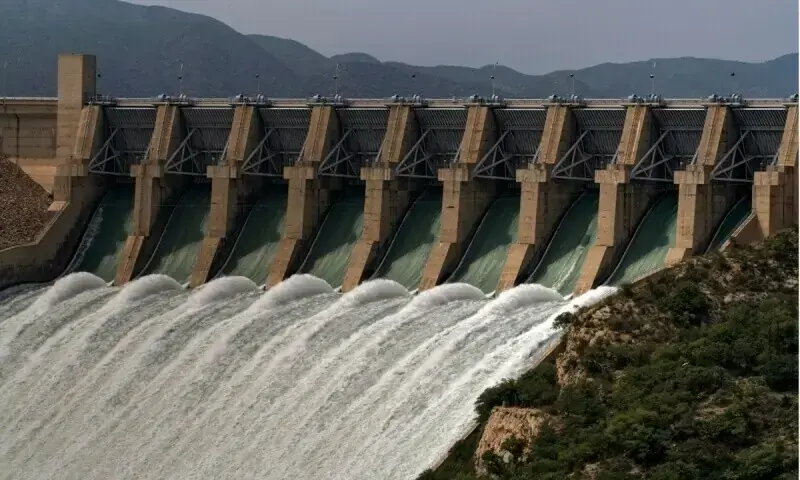
Tarbela Dam, a vital component of Pakistan's water infrastructure, has successfully reached its maximum storage level of 1,550 feet. This significant achievement, recorded on Sunday, underscores a substantial improvement in the nation's water conservation capabilities, which are crucial for agricultural, industrial, and domestic consumption across the country. The dam, second only to Mangla Dam in terms of storage capacity, plays a pivotal role in regulating water supply, especially during periods of high demand.
The attainment of this full capacity is particularly noteworthy given Pakistan's historical challenges with water management and the increasing impacts of climate change. A fully operational and filled Tarbela Dam provides a robust buffer against potential water shortages, ensuring a more stable supply for the upcoming seasons. This development is expected to have far-reaching positive implications for the country's economy, particularly for the agricultural sector which relies heavily on irrigation.
Factors Contributing to Full Capacity
The primary reason behind Tarbela Dam reaching its maximum storage level is attributed to the ongoing high-flow season. This period is characterized by a combination of heavy monsoon rains and accelerated snowmelt from the northern mountains. These natural phenomena contribute a substantial volume of water to the Indus River system, which feeds into the Tarbela reservoir.
The efficient management of water inflows during this season is critical. Authorities monitor the water levels meticulously, allowing for controlled filling of the dam while also managing downstream releases to prevent flooding. The continuous influx of water from the catchment areas, coupled with effective operational strategies, has enabled the dam to accumulate its maximum capacity.
The filling of Tarbela Dam to its maximum capacity reflects a significant increase in Pakistan's water conservation capabilities, crucial for national water security.
Detailed Water Level Progression
According to data released by the flood forecasting division of the Pakistan Meteorological Department, the water conservation level in Tarbela Dam demonstrated a steady increase leading up to its maximum. On Sunday, the water level was recorded at 1,549 feet at 6 AM. By 6 PM on the same day, the level had further risen to 1,549.48 feet, inching closer to the 1,550-feet mark. This incremental rise highlights the consistent inflow of water into the reservoir.
The minimum operating or 'dead' level of the Tarbela Dam is 1,402 feet. This dead level represents the lowest point at which water can be drawn from the dam for power generation or irrigation. The difference between the dead level and the maximum storage level signifies the substantial volume of water available for utilization, underscoring the dam's immense capacity to store and regulate water resources for the country.
- Maximum storage level: 1,550 feet
- Water level at 6 AM Sunday: 1,549 feet
- Water level at 6 PM Sunday: 1,549.48 feet
- Minimum operating/dead level: 1,402 feet
Implications for Pakistan's Water Security
The full attainment of Tarbela Dam's storage capacity is a significant boost for Pakistan's long-term water security. A fully stocked reservoir ensures a reliable supply of water for the upcoming Rabi and Kharif crop seasons, which are critical for the country's food security. It also provides a stable source for hydroelectric power generation, reducing reliance on more expensive fossil fuels and contributing to energy stability.
Furthermore, a robust water reserve helps in mitigating the impacts of drought conditions, which have become more frequent and severe due to climate change. The ability to store large quantities of water during high-flow periods allows for its judicious release during leaner times, supporting sustainable development and economic growth across various sectors. This achievement is a testament to the natural water cycle and the ongoing efforts in water resource management within Pakistan.

The consistent monitoring and forecasting by departments like the Pakistan Meteorological Department are crucial in managing such large-scale water bodies effectively. Their data provides essential insights for operational decisions, ensuring both optimal storage and flood prevention. The current status of Tarbela Dam offers a positive outlook for water availability in the country, reinforcing its role as a cornerstone of Pakistan's water infrastructure.
This article was written with AI assistance from a news lead and may not capture every detail. Please verify specifics with the original source:
Dawn Pakistan →More in General
- Security Forces Eliminate Four Terrorists in Khyber Pakhtunkhwa Operations 2026-10-01
- Russia Offers Mediation in Pakistan's Regional Disputes 2026-09-30
- Security Forces Eliminate 23 Indian Proxy Terrorists in Kurram Operation 2026-09-21
- CM Afridi Clarifies By-Poll Remarks Following ECP Deployment Request 2026-09-19