Government Considers Activating Fuel Saving Plans Amidst Rising Global Oil Prices
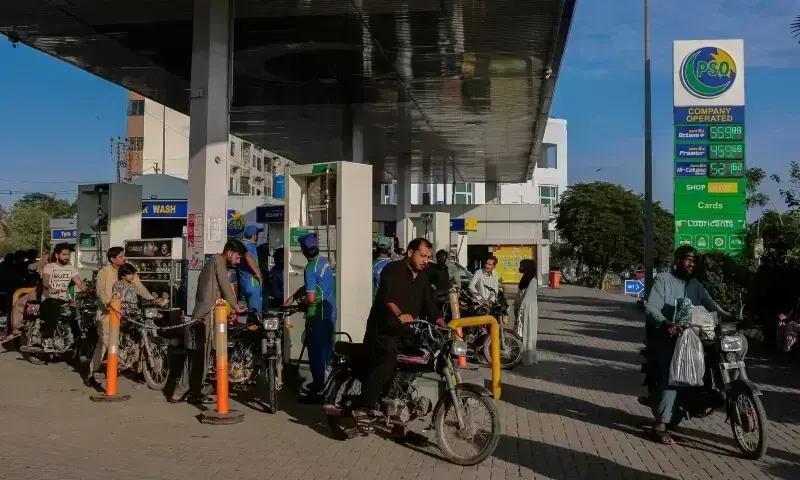
The Pakistani government is reportedly considering the activation of comprehensive fuel saving plans, potentially as early as this week or next. This strategic move comes amidst heightened geopolitical tensions in the Middle East, which have exerted upward pressure on international oil prices. The primary objective behind these proposed measures is to preserve at least three months of the country's crucial import cover, thereby strengthening the national economy against external shocks.
The decision underscores a proactive approach to managing the nation's foreign exchange reserves, which are vital for financing essential imports and maintaining economic stability. By reducing fuel consumption, the government aims to mitigate the financial burden associated with importing petroleum products, especially when global prices are volatile.
Revising Petroleum Product Pricing Mechanisms
In a related development, significant changes are anticipated in the mechanism for revising the prices of major petroleum products, specifically petrol and high-speed diesel. Under the proposed new framework, these prices will only be subject to revision on working days. This departure from the current practice aims to introduce greater predictability and transparency into the pricing system, allowing consumers and businesses to better plan their expenditures.
Furthermore, the Oil and Gas Regulatory Authority (OGRA) is set to enhance transparency by publishing detailed working methodologies on its official website. This initiative is expected to demystify the complex process of fuel price determination, providing the public with a clearer understanding of the factors influencing petrol and diesel costs. Increased transparency can also foster greater public trust in the regulatory body and the government's economic policies.
The government's move to revise fuel prices only on working days and OGRA's commitment to publishing detailed working methodologies aim to enhance transparency and predictability in the petroleum pricing structure.
Government's Continued Control Over Levies and Duties
Despite the proposed changes in pricing mechanisms and increased transparency from OGRA, the government will maintain firm control over several key components that contribute to the final price of petroleum products. These include the petroleum levy, climate levy, customs duty, and deemed duty. Additionally, the government will continue to regulate the margins for oil marketing companies and dealers.
This retention of control over various levies and duties provides the government with crucial fiscal levers. It allows authorities to manage revenue generation from the petroleum sector, which is a significant contributor to the national exchequer. Moreover, it enables the government to implement policy adjustments, such as introducing or modifying a climate levy, to align with broader environmental objectives or to stabilize prices for consumers during periods of extreme market volatility.
- Petroleum Levy: A key revenue source for the government.
- Climate Levy: Potentially used to fund environmental initiatives or discourage excessive fuel use.
- Customs Duty: Applied on imported petroleum products.
- Deemed Duty: Another form of taxation on petroleum products.
- Margins: Regulated profits for oil marketing companies and dealers.
Broader Economic Implications and Outlook
The potential reintroduction of fuel conservation measures highlights the government's sensitivity to global economic trends and their impact on Pakistan's import bill and foreign exchange reserves. With renewed hostilities in the Middle East casting a shadow of uncertainty over international oil markets, proactive measures are deemed essential to safeguard the nation's financial health.
Such austerity measures, while potentially impacting daily routines, are often crucial for managing economic pressures and ensuring long-term stability. The government's emphasis on preserving import cover suggests a strategic focus on bolstering the country's capacity to finance essential imports, thereby preventing potential supply chain disruptions and inflationary pressures. The coming weeks will likely see further details emerge regarding the specific nature and scope of these proposed fuel saving plans.

This article was written with AI assistance from a news lead and may not capture every detail. Please verify specifics with the original source:
Dawn →More in General
- FBR Prolongs Anti-Smuggling Mandate for Rangers, FC, and Coast Guard 2026-09-02
- Security Forces Neutralise 30 Terrorists in Extensive KP Operations 2026-08-31
- Pakistan Railways Expands Services with Restoration of Two Additional Train Routes 2026-08-23
- US Lawmakers Commend Punjab's Brick-Kiln Modernisation Efforts 2026-08-21