IHC Curbs Federal Government's Authority on Citizen Travel Bans
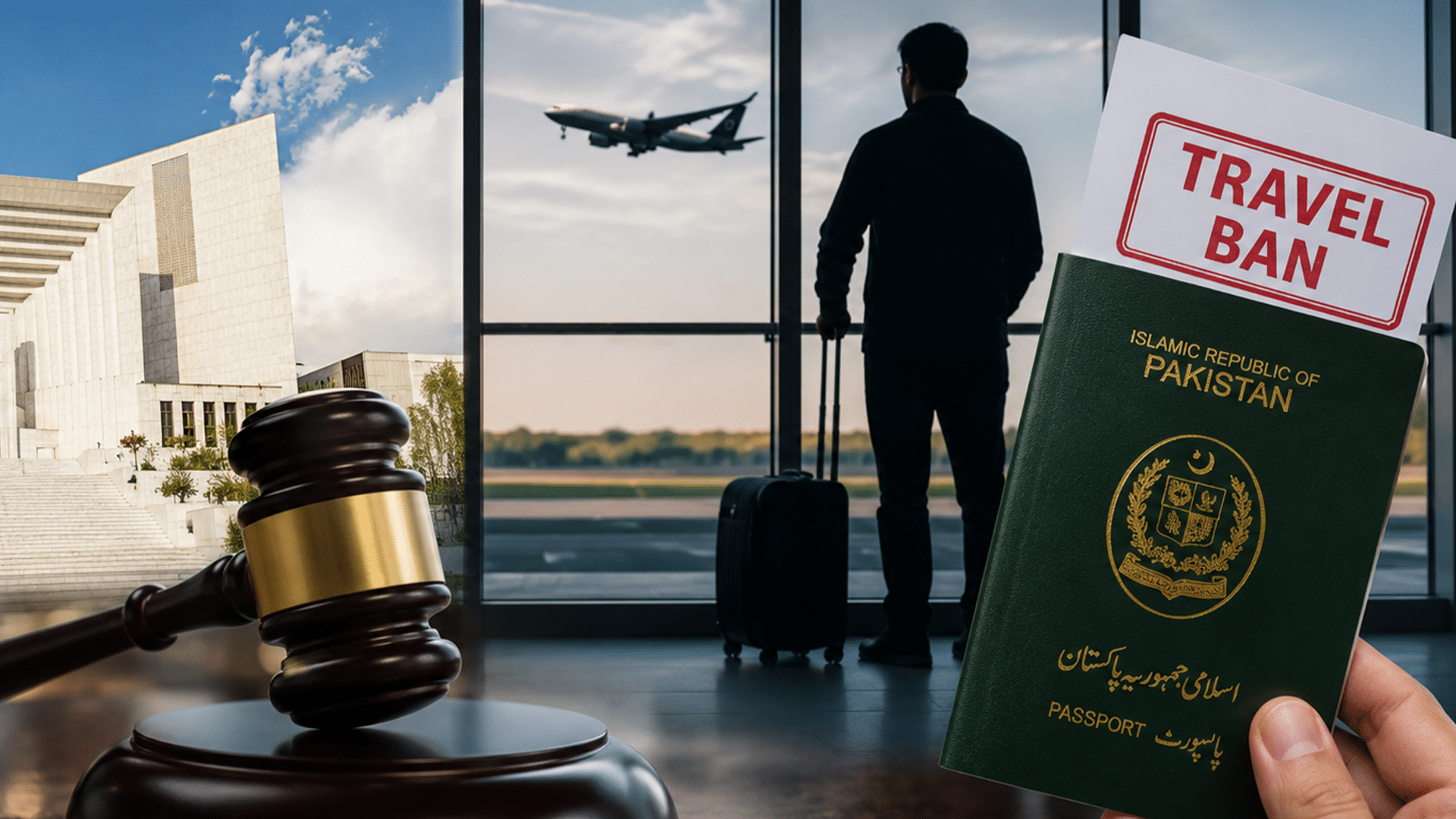
The Islamabad High Court (IHC) has delivered a pivotal judgment, stipulating that the federal government is barred from imposing travel restrictions on citizens unless explicitly backed by legal authority. This ruling marks a significant development in the realm of individual liberties and the extent of executive power in the country.
For an extended period, the federal government has exercised powers to place individuals on various lists, most notably the Exit Control List (ECL), effectively restricting their ability to travel abroad. These actions have often been taken under broad discretionary powers, sometimes without clear, pre-defined legal parameters or avenues for immediate redress.
The absence of a robust, transparent legal framework for such restrictions has frequently led to concerns regarding arbitrary application and potential misuse of authority. Critics have often highlighted how such measures could infringe upon fundamental rights guaranteed by the Constitution, particularly the right to freedom of movement and due process.
This latest decision by the IHC is therefore crucial as it underscores the principle that executive actions, especially those impacting fundamental rights, must be rooted in specific legislation. It serves as a reminder that governmental powers are not absolute and are subject to constitutional oversight and judicial review.
The implications of this ruling are far-reaching. It is expected to empower citizens by providing a stronger legal basis to challenge travel bans imposed without proper legal justification. Furthermore, it places a greater onus on the government to ensure that any future restrictions on movement are not only necessary but also enacted and implemented in strict accordance with the law.
Going forward, the federal government will likely need to review its existing mechanisms for imposing travel bans, including the criteria and procedures for placing individuals on lists like the ECL. Any such measure will now require a clear legislative basis, potentially necessitating amendments to existing laws or the introduction of new legislation that defines the scope and limits of such powers.
This judicial intervention is anticipated to foster greater transparency and accountability within government departments responsible for national security and immigration. It could also pave the way for individuals previously subjected to travel bans without clear legal grounds to seek legal recourse, potentially leading to a review of past decisions.
While the government may consider its options, including potentially appealing the decision, the immediate effect is a reinforcement of the judiciary's role as a guardian of constitutional rights. The ruling sets a precedent that balances the state's need for security and order with the fundamental liberties of its citizens, ensuring that executive power is exercised within defined legal boundaries.
This article was written with AI assistance from a news lead and may not capture every detail. Please verify specifics with the original source:
ProPakistani →More in General
- Security Forces Eliminate Four Terrorists in Khyber Pakhtunkhwa Operations 2026-10-01
- Russia Offers Mediation in Pakistan's Regional Disputes 2026-09-30
- Security Forces Eliminate 23 Indian Proxy Terrorists in Kurram Operation 2026-09-21
- CM Afridi Clarifies By-Poll Remarks Following ECP Deployment Request 2026-09-19